
 by
by Accumulating T20I wins requires more than talent alone.
Scheduling advantages, domestic league infrastructure, squad rotation systems, and leadership continuity create sustainable success frameworks.
Teams that consistently win across multiple years build institutional advantages through structured planning.
Bilateral series frequency, domestic T20 competitions, and stable selection policies compound over time into significant win-count advantages.
Understanding teams with most wins in T20I cricket means analyzing their operational systems rather than isolated performances.
Match volume opportunities, talent pipeline depth, and strategic prioritization shape long-term win accumulation patterns.
Teams with Most Wins in T20I Cricket
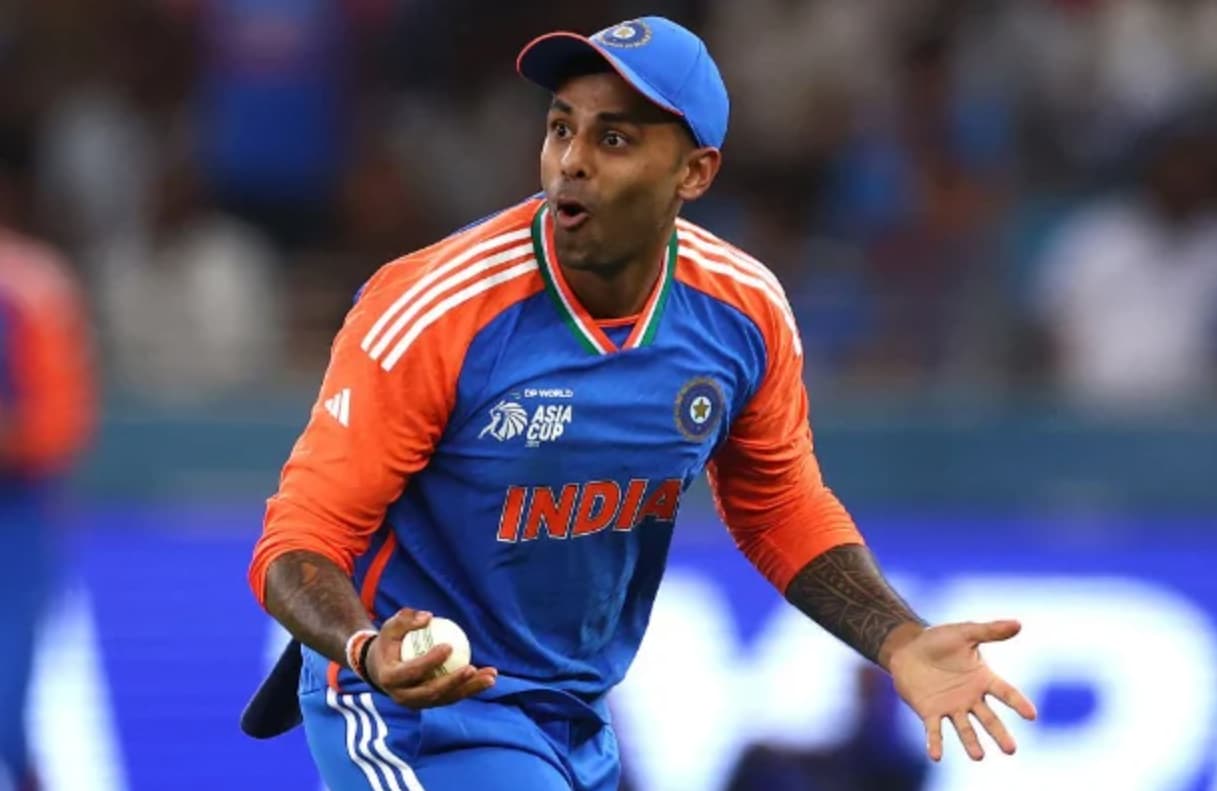
This analysis examines structural drivers behind sustained T20I success. All data reflects performance through January 25, 2026.
Structural Factors Behind T20I Match Wins
- Match Frequency Advantage
Teams scheduling more bilateral T20I series naturally accumulate higher win totals over time. Pakistan’s 289 matches compared to England’s 214 demonstrate how scheduling policy directly impacts absolute win counts. Frequent participation creates more opportunities for victories, particularly when hosting series against lower-ranked opponents where win probability increases.
- Domestic T20 Leagues Impact
Strong domestic T20 competitions produce match-ready players and tactical innovation that transfers to international cricket. India’s IPL, Australia’s BBL, Pakistan’s PSL, and England’s Vitality Blast provide high-pressure environments that develop skills applicable to T20I contexts. Teams lacking robust domestic T20 infrastructure show slower player development and tactical adaptation rates.
- Squad Rotation & Bench Strength
Sustainable win accumulation requires depth beyond first-choice XIs to manage workload across packed schedules. Teams rotating squads while maintaining performance levels demonstrate institutional strength. India’s ability to rest key players without significant win-rate drops indicates superior bench quality compared to teams dependent on specific individuals.
- Captaincy Stability
Leadership continuity allows strategic frameworks to mature rather than constantly resetting with personnel changes. Teams cycling through multiple captains show inconsistent tactical approaches and selection policies. Stable captaincy correlates with sustained win percentages as team culture and strategic philosophy remain consistent across series.
Top 10 Teams with Most Wins in T20I Cricket 2026
| Rank | Team | Wins | Matches Played | Win % | ICC T20 Titles |
|---|---|---|---|---|---|
| 1 | India | 178 | 266 | 66.9% | 2 |
| 2 | Pakistan | 166 | 289 | 57.4% | 1 |
| 3 | New Zealand | 126 | 247 | 51.0% | 0 |
| 4 | Australia | 122 | 219 | 55.7% | 1 |
| 5 | South Africa | 114 | 214 | 53.3% | 0 |
| 6 | England | 112 | 214 | 52.3% | 2 |
| 7 | West Indies | 101 | 241 | 41.9% | 2 |
| 8 | Sri Lanka | 99 | 222 | 44.6% | 1 |
| 9 | Afghanistan | 95 | 158 | 60.1% | 0 |
| 10 | Uganda | 90 | 118 | 76.3% | 0 |
How Each Team Converts Matches Into Wins?
- India — System-Driven Dominance
India’s 178 wins from 266 matches stem from institutional advantages including the IPL’s talent development pipeline and BCCI’s scheduling control. Multiple captaincy transitions maintained consistent win percentages through stable selection committees and coaching structures. The india teams with most wins in t20i cricket operates with deep bench strength allowing strategic rest without performance drops. Their 66.9% win rate reflects systematic player development rather than dependence on specific individuals.
- Pakistan — Captain-Centric Success Cycles
Pakistan’s 166 wins across 289 matches show performance fluctuations tied to specific leadership periods. Success under captains like Babar Azam and Sarfaraz Ahmed contrasts with transitional phases between leadership changes. Their extensive match count representing most t20 wins by a team all time in volume reflects aggressive bilateral scheduling but inconsistent strategic continuity. The PSL provides domestic infrastructure but national team performance remains captain-dependent.
- New Zealand — Consistency Through Planning
New Zealand accumulated 126 wins from 247 matches through process-oriented cricket and stable coaching structures. Their approach prioritizes replicable game plans over individual brilliance, allowing performance consistency despite smaller talent pools. Limited domestic T20 infrastructure compared to India or Australia is offset by strategic planning and execution discipline. The 51.0% win rate reflects competitive balance rather than dominance but demonstrates sustainable systems.
- Australia — Tournament-Focused Peaks
Australia’s 122 wins from 219 matches include selective bilateral participation with heavy tournament prioritization. Their 2021 T20 World Cup title validated strategic focus on ICC events over win-count accumulation through volume scheduling. The BBL provides strong domestic foundation but national team prioritizes Tests and ODIs outside major T20 tournaments. Efficiency metrics exceed teams with higher absolute win counts through strategic resource allocation.
- South Africa — Performance Without Titles
South Africa’s 114 wins from 214 matches demonstrate strong systems without championship validation. CSA’s domestic T20 competitions and talent identification processes produce consistent performers. Their 53.3% win percentage without ICC titles shows bilateral strength doesn’t always translate to knockout tournament success. Structural consistency in selection and coaching provides stable performance baseline across different opposition levels.
- England — Data-Backed Strategy Shift
England’s 112 wins from 214 matches accelerated post-2015 through analytics-driven tactical reforms. The ECB’s white-ball reset prioritized aggressive batting approaches and match-data utilization. Two T20 World Cup titles validate system changes rather than isolated talent improvements. County cricket’s Vitality Blast provides testing ground for tactical innovations that transfer to international level through structured integration processes.
- West Indies — Power-Hitting Eras
West Indies’ 101 wins from 241 matches concentrate in specific windows around 2012 and 2016 World Cup cycles. Success correlates with availability of key power-hitters rather than systemic infrastructure. Their 41.9% win rate reflects bilateral inconsistency between tournament peaks. Limited domestic T20 structure and player availability issues through franchise league conflicts create performance volatility rather than sustained excellence.
- Sri Lanka — Early Structure, Later Drop
Sri Lanka’s 99 wins from 222 matches show front-loaded success when domestic systems were functional followed by institutional decay. Their 2014 T20 World Cup title came during peak organizational effectiveness. Post-2018 administrative instability, coaching turnover, and talent pipeline disruption reduced win rates significantly. The 44.6% win percentage reflects structural erosion rather than competitive era adjustments alone.
- Afghanistan — Talent Pipeline Growth
Afghanistan’s 95 wins from 158 matches since 2010 demonstrate accelerated development through targeted talent identification and international exposure. Their domestic Shpageeza Cricket League and heavy participation in franchise leagues worldwide create match-experience depth. The 60.1% win rate shows efficiency gains from structured pathways moving players from associate to elite competition levels. Success stems from deliberate development systems rather than historical infrastructure advantages.
- Uganda — Schedule Density Advantage
Uganda’s 90 wins from 118 matches benefit from concentrated associate-level fixture scheduling and regional tournament participation. Their 76.3% win rate reflects opposition quality differences but also systematic approach to associate cricket. Qualification for 2024 T20 World Cup validates structured development programs. Limited exposure to top-10 teams means high win percentages occur within specific competitive tiers rather than against elite opposition.
Leadership & Momentum Metrics
- Most T20 wins by a captain
Leadership continuity creates strategic consistency that compounds into higher win accumulations. The most t20 wins by a captain category features MS Dhoni with 41 victories from 72 matches, Babar Azam with significant counts through Pakistan’s high match volume, and Kane Williamson maintaining New Zealand’s process stability. Captains maintaining roles for 30+ matches allow tactical systems to mature and team cultures to solidify, directly impacting win percentages.
- Most consecutive wins in T20 International
Winning streaks measure peak form sustainability and momentum management capability. Teams achieving most consecutive wins in t20 international demonstrate squad depth that prevents single-loss disruptions and maintain tactical consistency across varying conditions. India and Afghanistan recorded significant sequences through stable selection and clear game-plan execution during bilateral series windows.
- Top 10 most consecutive wins in T20 International
The top 10 most consecutive wins in t20 international includes both established powers during dominant phases and emerging nations through associate competition. Streak analysis reveals which teams sustain form rather than winning sporadically. Opposition quality matters significantly—streaks against top-10 teams carry different weight than those compiled against lower-ranked opposition in regional tournaments.
Conclusion: Teams with Most Wins in T20I Cricket 2026
Success patterns among teams with most wins in t20i cricket all time reveal institutional factors over individual talent as primary drivers.
Systematic Success Factors:
- Domestic T20 league quality directly correlates with international win percentages across all teams
- Scheduling control and bilateral series frequency provide volume advantages for win accumulation
- Leadership stability across 3+ year periods maintains strategic consistency and cultural continuity
- Squad rotation capability through bench depth sustains performance across packed schedules
- Data utilization and tactical innovation separate efficient teams from volume-dependent winners
Future Dominance Patterns:
Teams investing in domestic T20 infrastructure and stable coaching structures will close gaps with traditional powers.
Afghanistan’s rapid rise demonstrates accelerated pathways when systems are deliberately built.
Pakistan and West Indies face challenges in maintaining win rates without addressing structural inconsistencies.
New Zealand’s process-driven approach provides a sustainability model for smaller cricket nations.
Teams with most wins in t20i cricket in 2030 will likely include current associates implementing systematic development programs.
Volume advantages from historical scheduling policies will diminish as fixture equality increases globally.
(All stats updated till January 25, 2026)
Also Check: